22 Jul 2026
Transaction Velocity: Enabling Interconnected Rewards Across Mobile Gaming Formats
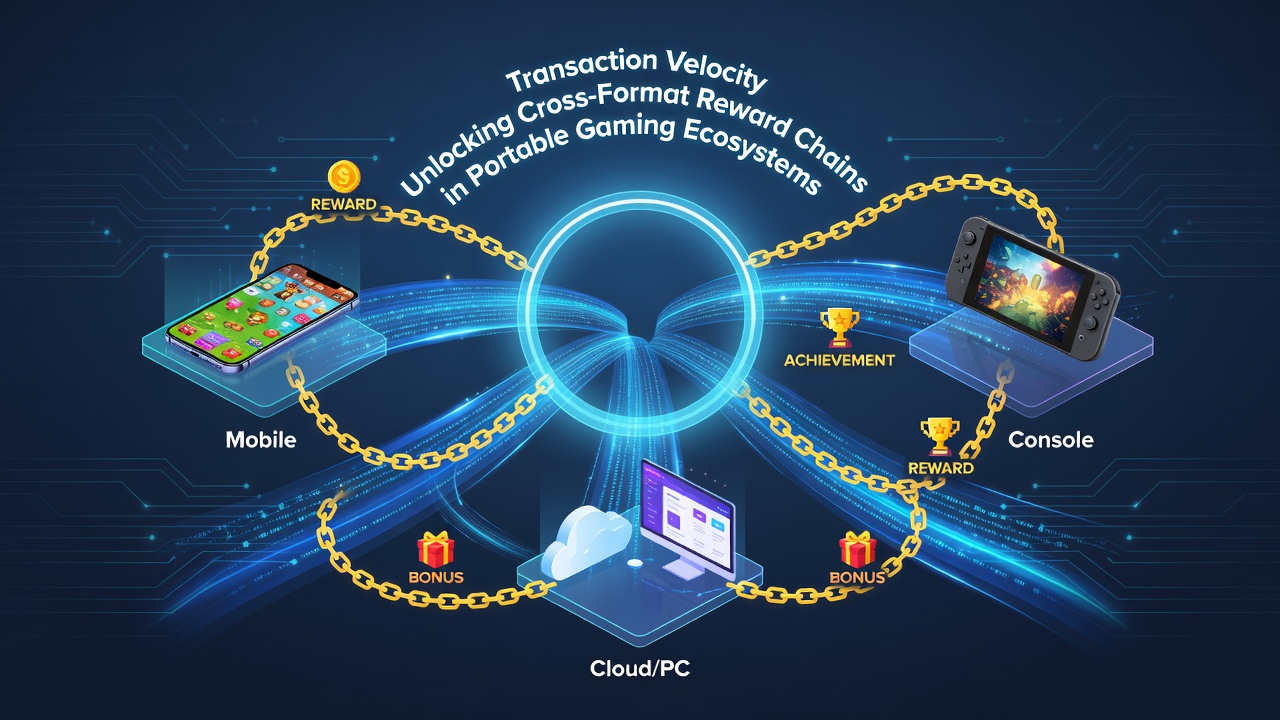
Understanding Transaction Velocity in Portable Systems
Transaction velocity refers to the rate at which financial transfers and reward redemptions occur within digital platforms, and observers note that this metric has gained attention in portable gaming ecosystems where users switch between formats such as slots, card tables, and live dealer sessions on the same devices. Data from industry reports indicates that processing times under three seconds correlate with higher rates of reward chain activation, because quicker confirmations allow players to apply bonuses earned in one format directly to another without interruption. Researchers at various academic institutions have tracked these patterns across multiple regions, finding that systems supporting instant verification protocols see increased engagement across wireless environments.
Portable gaming devices facilitate these connections through integrated payment gateways that link user accounts to multiple game types simultaneously, and figures from regulatory bodies reveal that operators implementing high-velocity transaction layers report measurable growth in cross-format participation during periods like July 2026 when seasonal usage peaks occur in several markets. Those who monitor platform metrics point out that velocity acts as the mechanism converting isolated bonuses into chained sequences, where a slot-based multiplier might transfer to a table game entry without manual intervention.
Mechanics of Cross-Format Reward Chains
Reward chains form when incentives generated in one gaming category feed into eligibility for another category through shared loyalty frameworks, and studies from research organizations demonstrate that transaction speed determines whether these transfers complete before session timeouts reset progress. In practice, a player completing a mobile slot round can see accumulated points apply to live dealer tables within the same app environment once the underlying payment rail processes the associated wager history. Evidence suggests that platforms with settlement speeds below two seconds maintain chain continuity more effectively than slower alternatives, according to analyses conducted by gaming technology providers.
One case documented by trade associations involves users on wireless networks who initiate deposits that trigger format-specific multipliers, after which those multipliers convert across game libraries if the transaction ledger updates in real time. This process relies on backend ledgers that synchronize account states across slots, simulated card tables, and dealer-hosted experiences, while operators maintain compliance with regional rules that govern reward portability. Data shows that such synchronization contributes to sustained user sessions rather than fragmented play patterns.
Role of Payment Infrastructure and Verification
Payment channels capable of handling high transaction volumes underpin the ability to unlock chained rewards, because delays in authorization can break the sequence linking different game formats. Industry data from sources including the Nevada Gaming Control Board highlights that mobile operators adopting accelerated verification methods experience fewer dropped chains during peak hours, and similar patterns appear in reports from the Australian Communications and Media Authority covering comparable ecosystems. These infrastructures incorporate tokenization and instant confirmation steps that reduce friction between deposit, play, and reward application phases.
Verification protocols further accelerate access by confirming player status and transaction validity before rewards propagate across formats, and researchers have observed that integrated systems cut processing intervals by measurable percentages compared with legacy methods. In July 2026, updates to certain mobile platforms incorporated enhanced real-time ledgers that supported these flows more reliably, according to platform announcements tracked by market analysts. The result allows a single deposit action to influence reward eligibility in multiple categories without requiring separate confirmations for each format transition.
Impact on Player Engagement Metrics
Engagement data collected across portable ecosystems shows that higher transaction velocity associates with extended play duration when rewards transfer between formats, since users encounter fewer interruptions while moving from spinning reels to interactive table sessions. Trade group publications note that operators tracking these metrics record shifts in behavior where chained incentives encourage exploration of previously unused game types within the same session. This occurs because the underlying systems update loyalty balances continuously rather than at batch intervals.
Regional variations exist, with North American platforms often emphasizing integration with established payment networks while European counterparts focus on standardized verification standards that support similar chain mechanisms. Observers note that both approaches produce comparable outcomes when velocity remains consistent, allowing reward sequences to span slots, tables, and dealer formats without format-specific barriers. Academic reviews of these systems have identified transaction speed as a primary variable influencing the length and complexity of active reward chains.
Future Developments in Portable Gaming Ecosystems
Developments in portable gaming continue to center on refining the speed and reliability of transaction layers that support reward interconnections, with technology providers testing protocols that could further compress confirmation windows. Regulatory updates scheduled in various jurisdictions during 2026 aim to standardize reporting on cross-format activity, which would provide clearer datasets for analyzing velocity effects. Those who examine platform roadmaps indicate that ongoing refinements target seamless movement of value across game categories on mobile devices.
Integration with emerging wallet solutions may expand the scope of chains by allowing external transaction data to influence in-app rewards, though implementation remains subject to regional compliance frameworks. Current evidence points to sustained interest in optimizing these pathways as portable gaming volumes grow across global markets.
Conclusion
Transaction velocity serves as a foundational element that enables reward chains to operate across multiple formats within portable gaming environments, supported by payment speed, verification processes, and synchronized account systems. Available data from regulatory and research sources documents the measurable connections between processing efficiency and the continuity of incentive flows, while July 2026 observations provide additional context on seasonal platform performance. Continued technical and regulatory attention to these components shapes how cross-format mechanisms function in wireless gaming ecosystems.