15 Aug 2026
Tracing Payment Processing Speeds to Multi-Tiered Bonus Systems in Real-Time Casino Applications
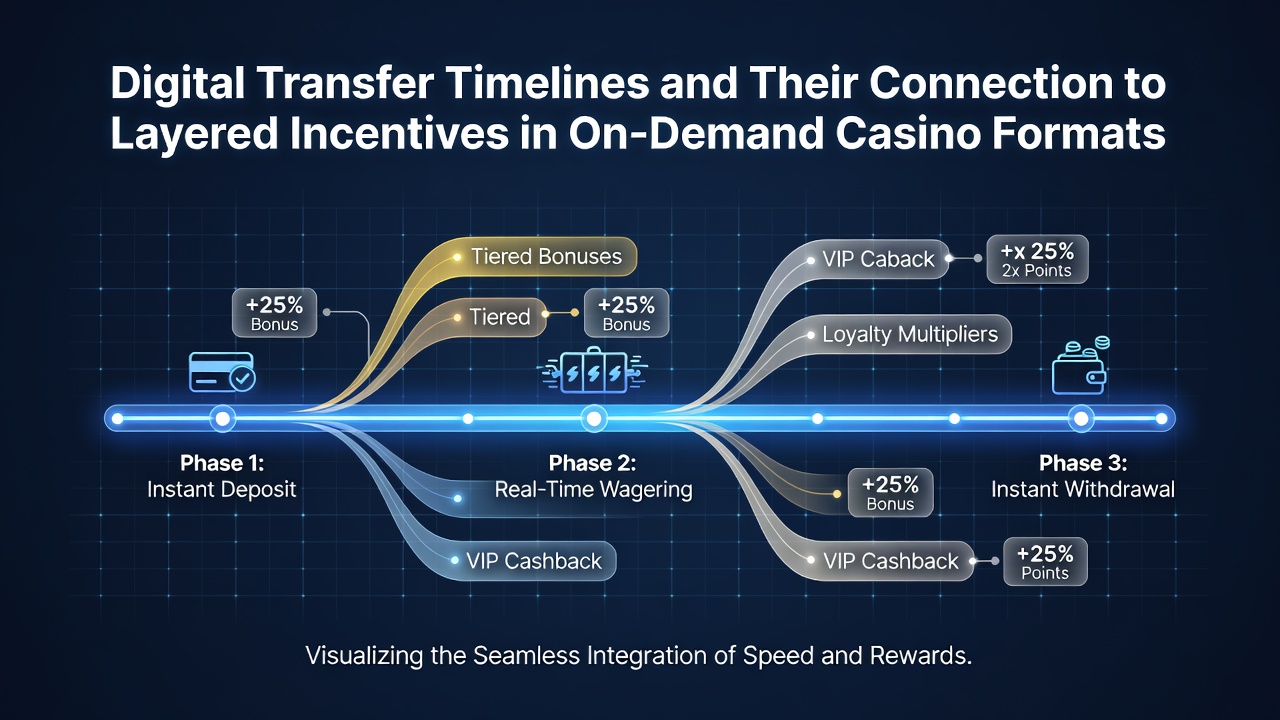
Payment processing speeds in on-demand casino formats determine how quickly players access layered incentive structures that include welcome bonuses, reload offers, cashback tiers, and VIP loyalty points. Observers note that settlement times ranging from seconds to several business days influence the pace at which users climb reward ladders across mobile slots, table games, and live dealer environments. Data from industry reports shows that faster digital transfers correlate with higher engagement rates in tiered programs, because players receive bonus credits and promotional unlocks without extended waiting periods.
Settlement Timelines and Initial Incentive Activation
Digital wallets and bank transfers feed directly into the first layer of casino incentives, where deposit confirmation triggers welcome packages and initial loyalty points. Researchers at academic institutions studying mobile gaming ecosystems have found that transactions completed in under 60 seconds allow immediate application of bonus multipliers, whereas delays beyond 24 hours postpone access to those same rewards. This connection appears in platforms that use automated verification protocols to match incoming funds with player accounts, enabling seamless progression from basic sign-up offers to more advanced reload bonuses.
Impact on Daily and Weekly Reward Cycles
Daily login bonuses and weekly cashback programs depend on consistent transaction timelines, because each deposit or withdrawal resets eligibility windows for accumulating points. Those who study these systems observe that instant payment rails such as certain e-wallets accelerate point accrual, allowing users to reach silver or gold tiers within the same gaming session. Slower methods, including traditional bank wires, create gaps that interrupt streak bonuses and reduce overall participation in layered structures.
August 2026 figures from North American gaming regulators indicate continued growth in mobile transaction volumes, with average deposit processing times dropping below five minutes across major operators. This shift supports tighter integration between payment speed and incentive delivery, as platforms adjust their backend systems to credit rewards in real time.
Layered Structures in Mobile Environments
Multi-tiered loyalty programs typically feature bronze, silver, gold, and platinum levels that unlock progressively higher cashback percentages, exclusive tournament entries, and personalized promotions. Payment timelines affect advancement because each successful deposit contributes to tier qualification metrics, and delays can push players past monthly reset dates. Experts analyzing on-demand formats report that operators using faster settlement networks record elevated retention among users who reach higher tiers within the first month of activity.
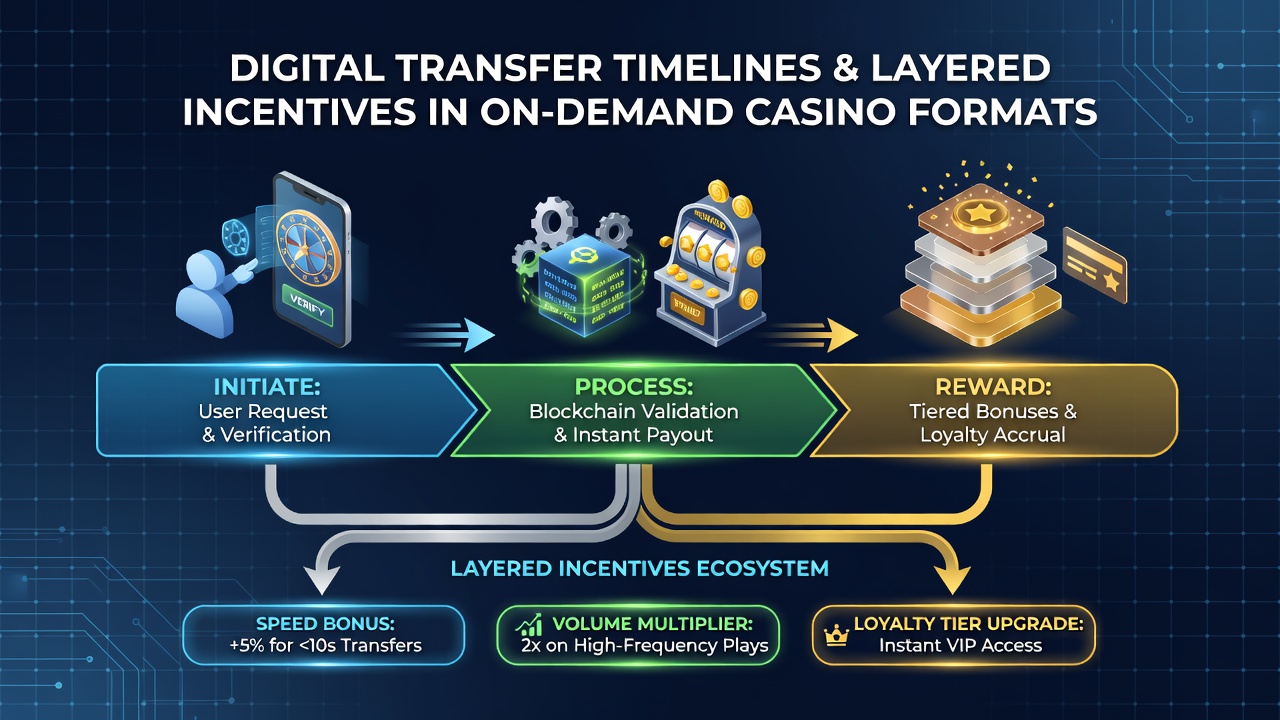
One case documented by Canadian regulatory bodies demonstrates how platforms linking instant deposits to VIP invitation systems achieved measurable increases in average session length. The same reports highlight that withdrawal processing times also matter, since players who receive winnings quickly often reinvest portions into new deposits that trigger additional layered rewards.
Regional Regulatory Influences on Transfer and Reward Integration
Regulatory frameworks across different jurisdictions shape how payment timelines interact with incentive programs. The Malta Gaming Authority requires operators to maintain transparent timelines for both deposits and bonus crediting, which encourages systems that reduce friction between transfers and reward activation. In contrast, Australian state regulators focus on consumer protection measures that tie transaction verification to responsible gaming tools, indirectly affecting the speed at which players access certain promotional layers.
Industry associations such as the American Gaming Association publish periodic updates on technological standards that support faster digital rails, noting their role in sustaining engagement across mobile casino formats. These standards influence how operators design their incentive flows, ensuring that settlement speed remains a core component of tier progression mechanics.
Technical Factors Affecting Timeline and Incentive Alignment
Backend integration between payment processors and casino management systems determines whether a completed transfer immediately updates player profiles and unlocks next-tier benefits. Observers note that platforms employing API-driven verification reduce average processing windows to under two minutes, which supports real-time application of deposit-matched bonuses and loyalty multipliers. Slower legacy systems, however, create bottlenecks that separate transaction completion from reward distribution by hours or days.
Security protocols add another variable, because enhanced fraud checks sometimes extend timelines yet protect the integrity of layered incentive pools. Data indicates that operators balancing speed with verification maintain higher player satisfaction scores in mobile environments where instant access to rewards drives continued participation.
Conclusion
Digital transfer timelines connect directly to the functionality of layered incentives in on-demand casino formats by controlling when players receive and activate bonuses, points, and tier upgrades. Evidence from regulatory reports and industry analyses shows consistent patterns where faster settlement supports quicker progression through reward structures, while extended processing creates interruptions. As mobile platforms continue to refine payment integrations in 2026, the relationship between transaction speed and incentive delivery remains a central factor in how these systems operate across global markets.