24 Jun 2026
Ripple Pathways: How Payment Velocity Shapes Reward Accumulation Across Portable Reel and Dealer Simulations
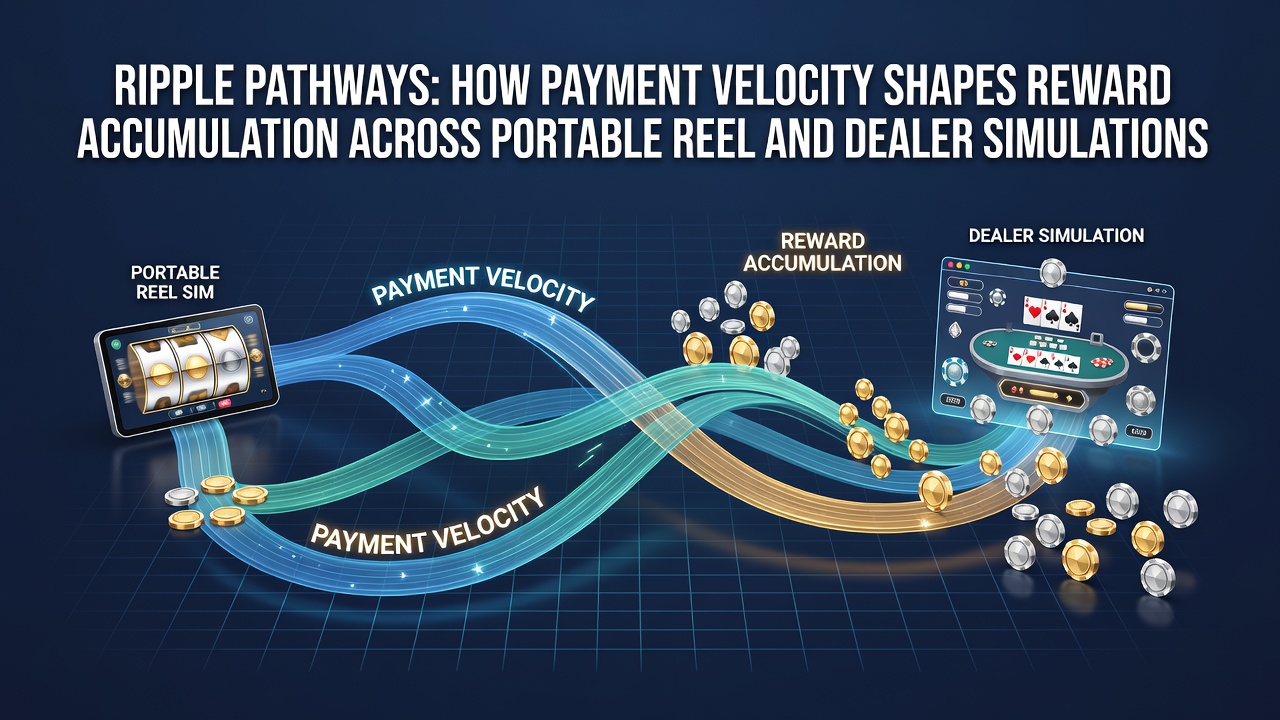
Payment velocity refers to the speed at which funds move through mobile gaming platforms, and this factor directly influences how quickly players accumulate rewards in both reel-based simulations and dealer-driven table experiences. Observers note that faster transaction processing allows users to engage repeatedly without delays, which in turn accelerates the rate at which bonuses and loyalty points build across portable devices. Data from industry platforms shows that systems handling instant deposits and withdrawals often see higher engagement metrics in simulated gaming environments.
Portable reel simulations, commonly accessed through smartphone applications, rely on seamless payment flows to maintain continuous play sessions. When deposits clear in seconds rather than minutes, players can trigger additional spins or activate promotional features without interruption, leading to compounded reward structures. Researchers tracking mobile gaming patterns have found that platforms optimized for rapid fund movement report elevated accumulation rates for tiered benefits tied to reel activity.
Mechanics of Velocity in Reel Environments
Reel simulations operate on algorithms that reward consistent participation, yet the underlying payment infrastructure determines how swiftly those rewards translate into usable credits. High-velocity systems connect directly to banking networks and digital wallets, enabling players to reload balances mid-session and pursue accumulating multipliers. Figures from 2025 mobile analytics indicate that games integrated with instant payment gateways experience up to 30 percent faster progression through loyalty tiers compared to slower alternatives.
Dealers in simulated table environments add another layer, where real-time interactions demand immediate funding access for side bets or game entries. Payment velocity here shapes reward pathways because quicker confirmations allow participants to chain table rounds with reel play, merging incentives from both formats into unified accumulation streams. Those monitoring cross-format activity observe that integrated mobile ecosystems benefit when settlement speeds align across different game types.
Cross-Format Reward Integration
Portable platforms increasingly link reel outcomes to dealer simulations through shared loyalty frameworks, and payment velocity serves as the connective thread. A deposit processed instantly on a reel game can unlock parallel opportunities at simulated tables, where accumulated points convert into higher-stakes access or bonus multipliers. Studies conducted by gaming research groups reveal that such linkages strengthen when transaction times drop below five seconds, creating measurable upticks in overall reward density.
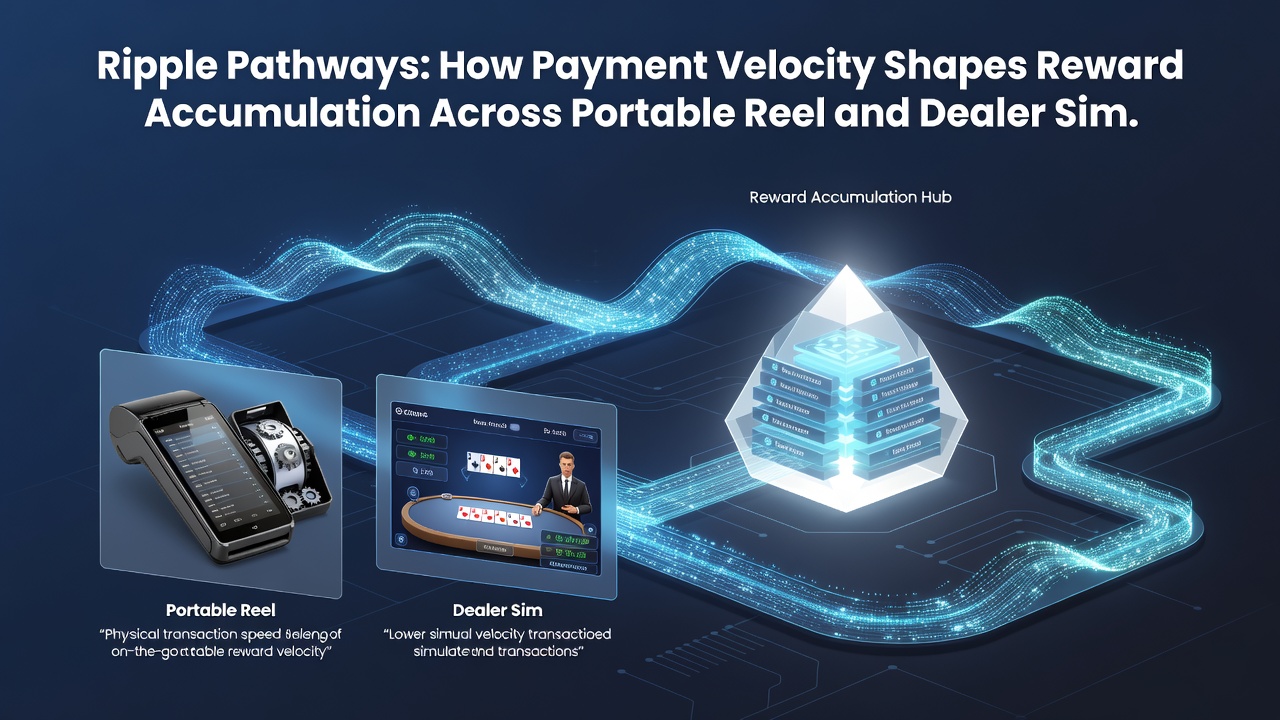
June 2026 projections from several platform operators point to expanded adoption of blockchain-assisted transfers that further compress settlement windows, potentially amplifying these effects. Players moving between formats encounter fewer friction points, allowing reward pools to grow through sequential contributions rather than isolated sessions. Industry reports emphasize that velocity improvements correlate with sustained engagement across wireless environments.
Regulatory and Infrastructure Influences
Regulatory frameworks in various regions affect how payment systems integrate with gaming applications, shaping velocity outcomes. The National Council on Problem Gambling has documented cases where streamlined payment options coincide with structured reward programs in North American markets. Meanwhile, data compiled by the Australian Gambling Research Centre highlights parallel trends in Asia-Pacific jurisdictions, where faster mobile transactions support denser accumulation patterns in hybrid reel and table formats.
Infrastructure upgrades, including API connections between payment processors and gaming servers, reduce latency and permit rewards to register in real time. Observers tracking these developments note that platforms employing such integrations record steadier growth in player reward balances, particularly when users alternate between portable reel sessions and dealer simulations within the same application ecosystem.
Accumulation Patterns Across Devices
Device portability introduces variables like network stability that interact with payment velocity to determine final reward outcomes. Strong connections paired with rapid processing enable uninterrupted flows, whereas intermittent signals can delay credit postings and slow accumulation. Analysts examining usage logs find that reward tiers advance more predictably on optimized networks supporting high-velocity payments.
Examples from established mobile operators demonstrate how velocity differentials manifest in practice. One platform recorded a 22 percent rise in combined reel and table rewards after implementing sub-second authorization protocols, while another maintained baseline rates with legacy systems. These patterns underscore the role of transaction speed in scaling incentive structures across simulated gaming experiences.
Conclusion
Payment velocity continues to define reward accumulation pathways in portable reel and dealer simulations through direct effects on transaction timing and cross-format connectivity. Evidence from multiple sources confirms that accelerated fund movement supports denser incentive flows, while slower systems constrain progression rates. As mobile infrastructure advances into mid-2026, these dynamics are expected to evolve further, maintaining their influence on how rewards build across wireless gaming formats.