22 Aug 2026
Payment Networks Reshaping Status Levels Across Mobile Reel Games and Live Card Tables
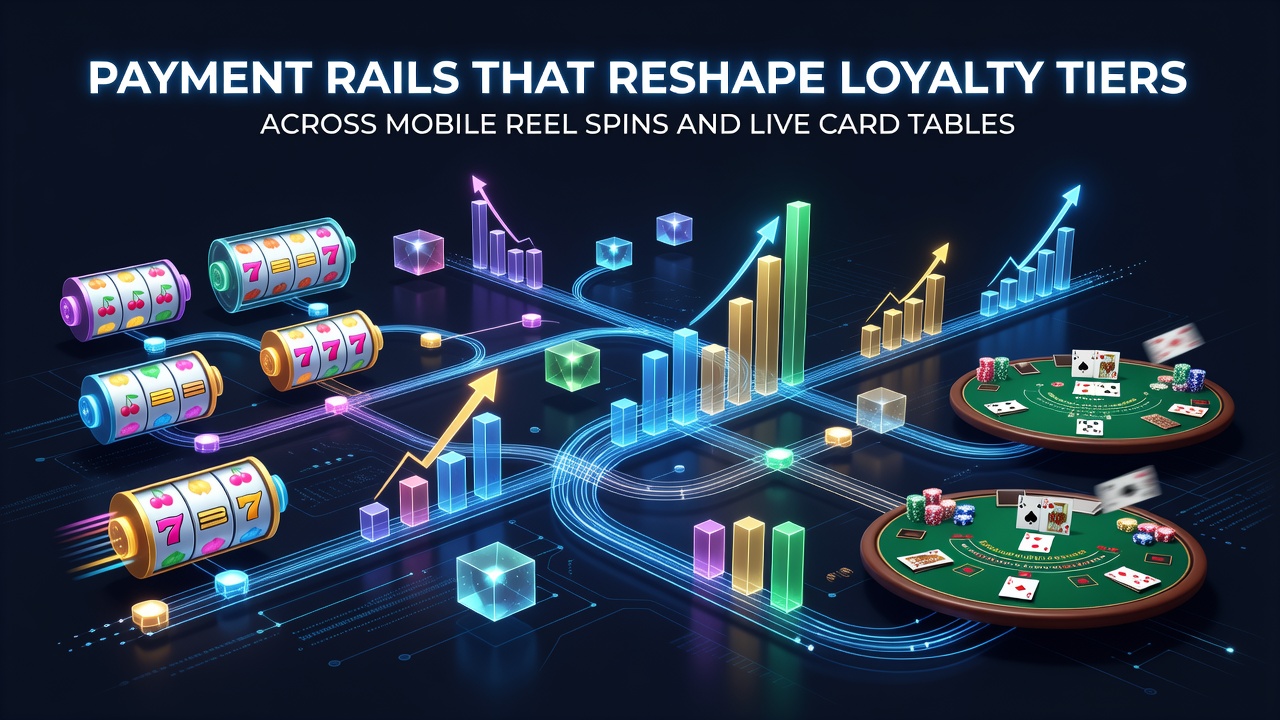
Payment rails now determine how quickly players advance through loyalty tiers when they engage with mobile reel spins and live card tables, since settlement speed and verification protocols directly control point accumulation rates and bonus unlocks. Operators integrate faster transaction networks that process deposits in seconds rather than hours, which allows reward systems to credit activity almost immediately while the session continues.
Traditional banking transfers once created delays that slowed tier progression, yet newer rails such as real-time payment platforms and digital wallets shorten those gaps; data from the American Gaming Association shows operators using these systems report higher engagement metrics because players reach the next status level without waiting for batch settlements.
Transaction Speed and Tier Advancement Mechanics
Instant settlement rails feed directly into loyalty algorithms so that every spin or card hand contributes to tier meters in real time, and this connection means players who use supported payment methods accumulate points faster than those relying on slower options. Studies from gaming research institutions indicate that verification protocols tied to these rails reduce approval times from minutes to under ten seconds, which in turn accelerates access to higher reward brackets across both reel-based and table-based mobile formats.
Operators track payment method as a variable in their tier models, therefore participants who route funds through accelerated channels receive multiplier effects on their activity points during August 2026 reporting periods when several platforms rolled out updated loyalty engines.
Integration Patterns Across Reel Spins and Card Tables
Mobile reel games and live dealer card tables now share unified payment gateways that push transaction data into a single loyalty ledger, while separate game types once maintained isolated point systems. This shared infrastructure lets a deposit made for slots immediately support table game play without additional steps, and observers note that such linkage produces smoother progression through bronze, silver, gold, and platinum tiers because activity from both formats counts toward the same milestones.
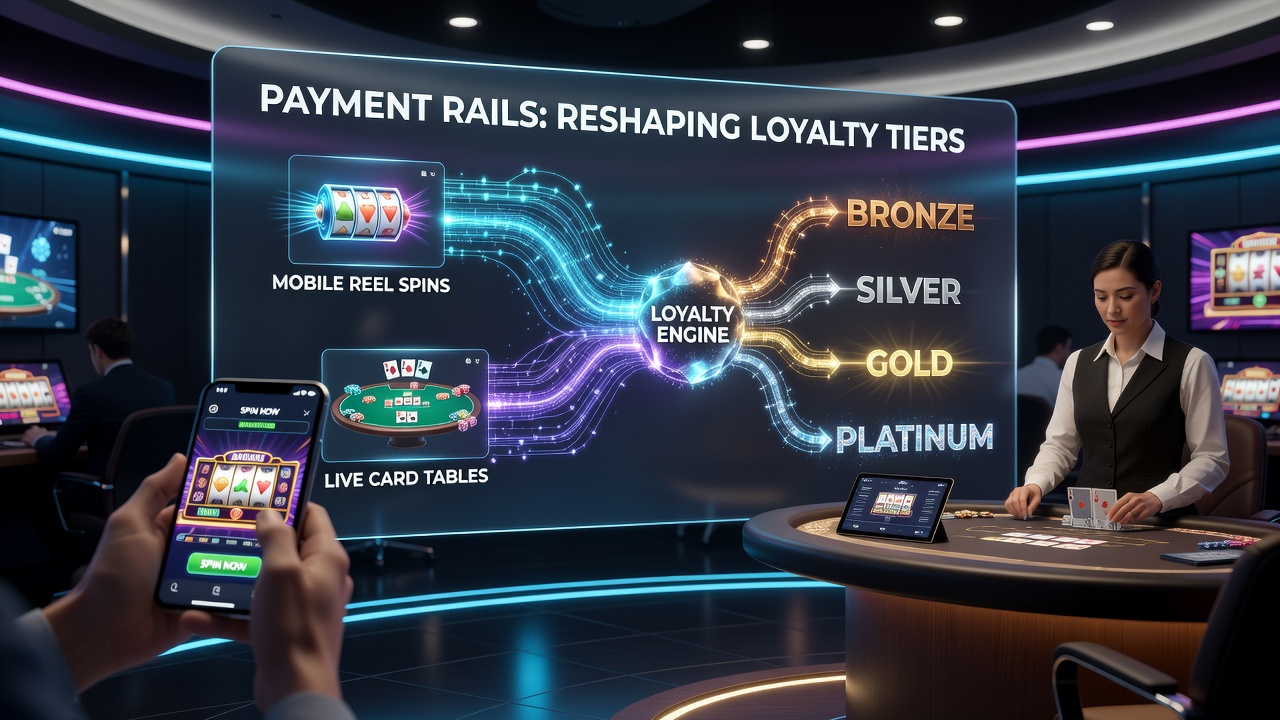
One documented implementation involved a regional operator that connected its reel and table ecosystems through a common rail, resulting in a measurable rise in cross-format play during the first quarter after launch according to internal figures shared with industry analysts. The same setup allows live card table participants to fund accounts mid-session and see tier status update before the next hand begins, which reduces friction that previously interrupted momentum.
Regulatory and Security Factors Influencing Rail Selection
Regulatory bodies in multiple jurisdictions require operators to maintain audit trails for every transaction that feeds loyalty calculations, so payment rails with built-in compliance features gain preference because they simplify reporting to oversight agencies. Canadian regulators, for instance, emphasize secure channels that protect player data while enabling rapid point crediting, and this emphasis has prompted several mobile platforms to adopt rails certified under those standards.
Security protocols embedded in modern rails also limit chargeback risks that once forced operators to hold back tier benefits until funds cleared, therefore players experience fewer interruptions when advancing through status levels on both reel and table interfaces.
Examples of Rail Adoption in Mobile Gaming Ecosystems
Platforms operating in regulated markets have documented cases where switching to instant payment networks lifted average tier completion times from weeks to days for active users. In one instance, a mid-sized operator reported that players using the new rail reached mid-tier status 40 percent sooner than peers using legacy methods, with the difference most pronounced among those who alternated between mobile reel spins and live card sessions.
Academic papers examining digital gaming ecosystems highlight how settlement velocity correlates with retention metrics, because faster rails keep funds in play longer and allow loyalty programs to reward consecutive activity without administrative lag. These patterns appear consistently across markets that permit mobile table and slot offerings under unified regulatory frameworks.
Conclusion
Payment rails continue to serve as the underlying mechanism that governs loyalty tier movement in mobile reel and live card environments, with settlement speed, verification efficiency, and cross-format compatibility determining how quickly participants access higher reward brackets. Operators that align their systems with advanced transaction networks record steadier point accumulation and fewer delays, while regulatory requirements shape which rails receive approval for loyalty-linked activity. Data collected through August 2026 demonstrates ongoing adoption of these networks as platforms refine the pathways connecting deposits to status progression across both game categories.