3 Jun 2026
Mapping the Development of Cross-Game Reward Pathways in Portable Digital Entertainment Systems
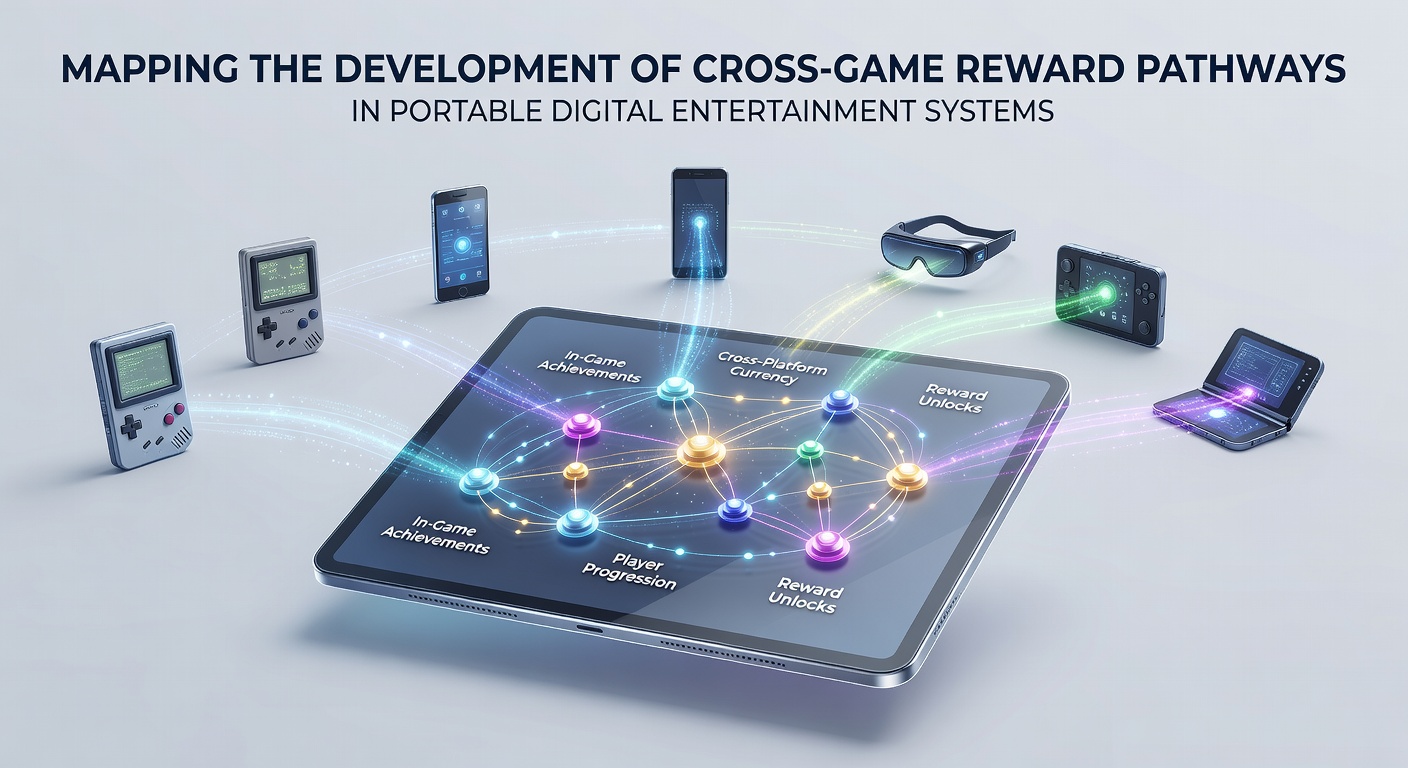
Portable digital entertainment systems have evolved to include interconnected reward mechanisms that allow users to transfer progress and incentives between distinct game titles on the same device, and researchers at institutions across North America and Europe have documented this progression through detailed mapping exercises since the early 2010s. Data from industry reports indicate that these pathways often rely on centralized account systems which synchronize user achievements while maintaining separate game mechanics, and studies conducted by the Entertainment Software Association show adoption rates climbing steadily through 2025.
Early Foundations in Mobile Ecosystems
Initial implementations appeared in the mid-2000s when developers began experimenting with shared login protocols across puzzle and strategy titles on early smartphones, yet the real acceleration occurred after 2015 when cloud-based storage became standard. Observers note that companies integrated application programming interfaces to link daily login bonuses from one title directly into resource pools for another, and this approach reduced player churn according to metrics compiled by Canadian digital media researchers. Portable systems benefited because hardware improvements in processors and storage allowed seamless background syncing without draining battery life excessively, while developers refined algorithms to balance reward values across genres like role-playing and casual simulation games.
Technological Mapping of Reward Flows
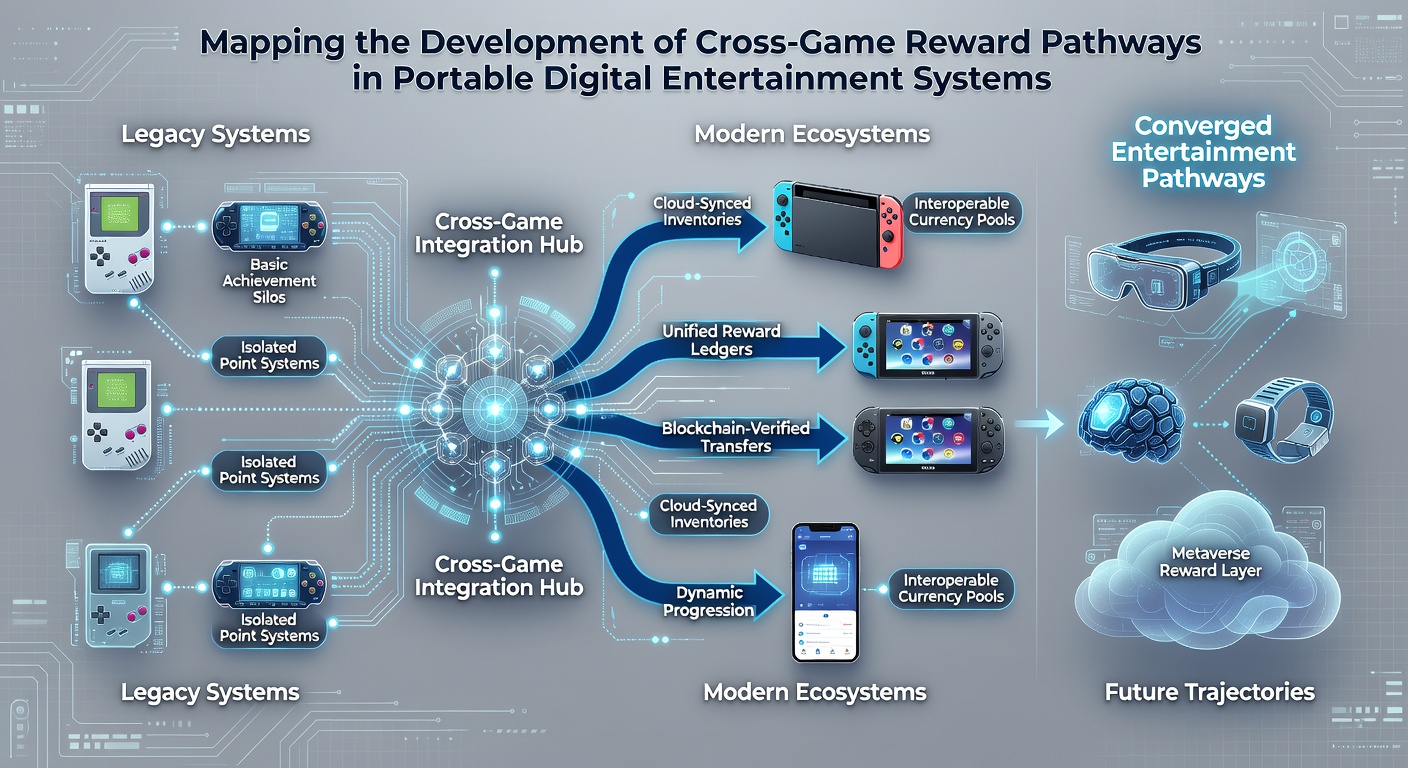
Mapping exercises typically break down these pathways into layers that include user identification modules, reward valuation engines, and transfer validation routines, and analysts at Australian universities have created visual diagrams that trace how points earned in racing games convert to cosmetic items usable in social simulation environments. Evidence from 2024 surveys reveals that over 60 percent of top-grossing mobile titles now incorporate at least one cross-game element, driven by partnerships between studios that share backend infrastructure. What's interesting is how encryption standards evolved to protect these flows during transmission, with protocols adopted from financial technology sectors ensuring data integrity across international servers, and government agencies in the European Union have issued guidelines that encourage transparent disclosure of these conversion rates to users.
Case Examples from Major Platforms
One prominent example involves a popular battle royale franchise that links seasonal rewards to an adjacent battle pass system in a separate card collection game, allowing players to unlock characters faster through combined activity, and data released in early 2026 shows millions of accounts utilizing this feature monthly. Another instance comes from Asian developers who mapped progression tokens across puzzle adventures and endless runners, resulting in unified leaderboards that span multiple applications. People who've studied these integrations often discover that successful pathways maintain distinct in-game economies to preserve each title's unique appeal, whereas poorly balanced systems lead to rapid devaluation of rewards. In June 2026, several studios plan to unveil expanded frameworks during industry conferences that will further standardize these mappings for smaller independent creators.
Data Trends and Adoption Patterns
Figures compiled through 2025 reveal that users aged 18 to 34 engage most frequently with cross-game rewards, spending an average of 12 additional hours per month across linked titles, according to research from the University of Tokyo's digital entertainment lab. Portable systems in regions like Southeast Asia demonstrate higher integration density because of widespread 5G access that supports real-time updates, and trade organizations such as the Interactive Games and Mobile Association have published reports highlighting how these pathways boost overall session lengths without increasing individual game complexity. But here's the thing: regional variations persist, with North American platforms favoring cosmetic transfers while European ones emphasize narrative progression links that carry story elements forward.
Challenges in Pathway Standardization
Developers face hurdles when aligning reward structures across games with differing monetization models, and case studies from independent studios show that mismatches in point valuation can frustrate users who expect consistent exchange rates. Regulatory bodies in Australia have examined these systems for compliance with consumer protection standards, leading to requirements for clear in-app explanations of how rewards migrate between applications. Researchers continue to refine mapping techniques using machine learning to predict optimal transfer ratios, and early results suggest improved retention when pathways account for playstyle preferences detected through device telemetry.
Conclusion
The development of cross-game reward pathways continues to shape portable digital entertainment as platforms refine their mapping processes to accommodate growing user bases and new hardware capabilities. Evidence from multiple regions demonstrates steady expansion of these connections through standardized protocols and collaborative studio efforts, with ongoing work in 2026 focused on broader accessibility for emerging markets. Those who've tracked these trends recognize the role of data-driven adjustments in sustaining engagement across diverse game libraries on mobile devices.