20 May 2026
Layered Benefit Structures and Their Influence on Player Engagement with Simulated Card Tables and Spinning Reels in Wireless Environments
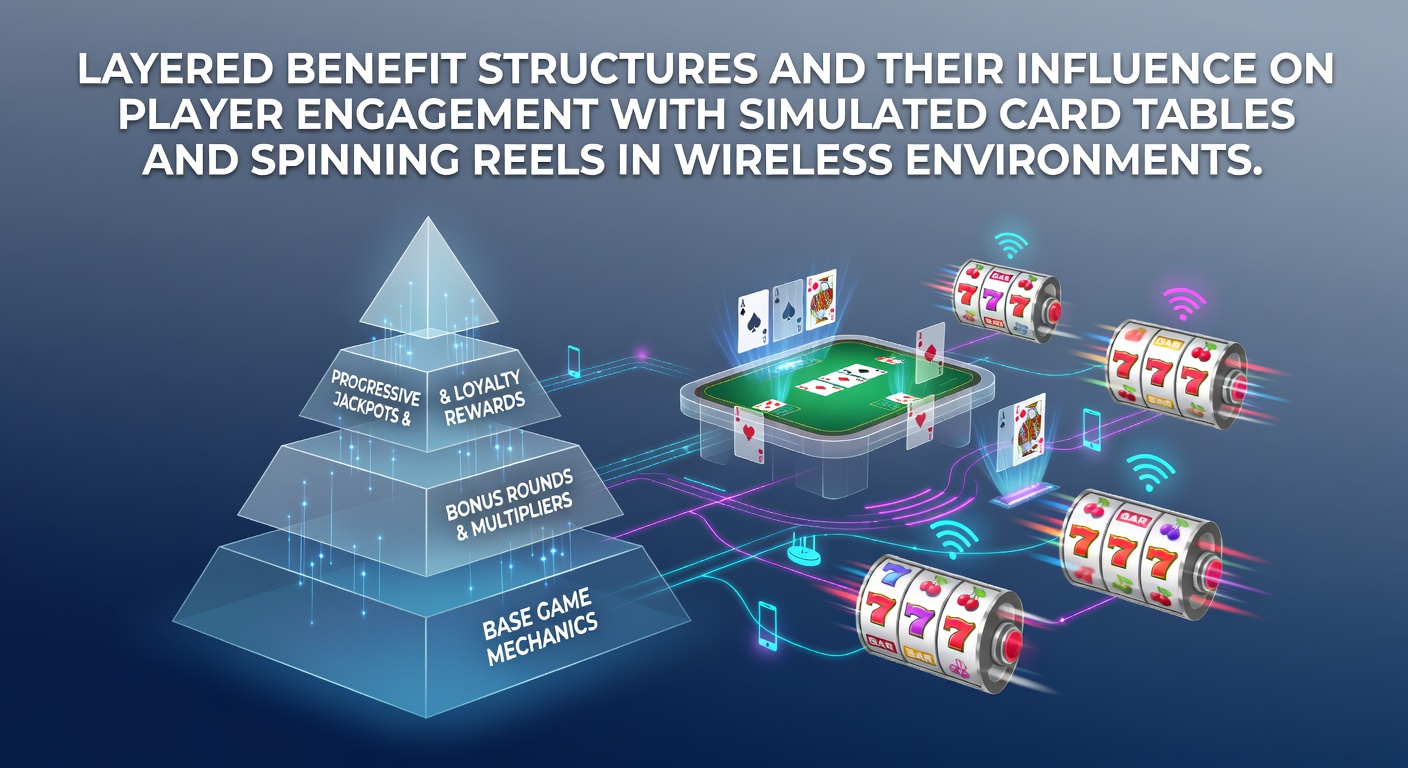
Layered benefit structures organize rewards into multiple tiers that players unlock through continued activity on simulated card tables and spinning reels accessed via wireless networks. These systems track participation metrics such as session duration, bet frequency, and game variety to distribute escalating incentives including bonus credits, free spins, and access to exclusive virtual tables.
Wireless environments enable constant connectivity that supports real-time updates to these layered systems. Players receive notifications about newly available tiers while engaged in mobile sessions, which maintains momentum across both card simulations and reel-based games. Data from the New Jersey Division of Gaming Enforcement indicates that mobile platforms incorporating tiered rewards recorded average session lengths 22 percent longer than flat-reward models during the first quarter of 2026.
Core Components of Layered Systems in Mobile Gaming
Each layer typically requires specific thresholds of play before activation. Entry-level benefits often include small credit matches or extra spins on simulated reels, while mid-tier rewards unlock enhanced table limits and personalized card game variants. Top layers grant priority access to high-stakes spinning reel events and cumulative jackpot contributions that roll across multiple wireless sessions.
Researchers at the Ontario Lottery and Gaming Corporation documented how these graduated structures align with player progression patterns observed in digital environments. Their analysis of 2025 user data revealed that participants who advanced through at least three layers showed a 35 percent increase in weekly logins compared with those remaining in base tiers.
Engagement Patterns with Simulated Card Tables
Simulated card tables benefit from layered structures because they reward strategic decisions and extended play sequences. Players who reach higher tiers gain advantages such as reduced rake percentages or complimentary virtual chips that encourage continued participation in games like blackjack and poker variants. Wireless delivery allows these benefits to apply instantly during live mobile rounds without interrupting flow.
One study released in May 2026 by a Canadian research consortium tracked engagement metrics across several regional operators. Findings showed that card table users receiving tiered loyalty points completed an average of 47 percent more hands per session than users on single-level programs, with retention rates holding steady through the initial six months of adoption.
Effects on Spinning Reel Interaction
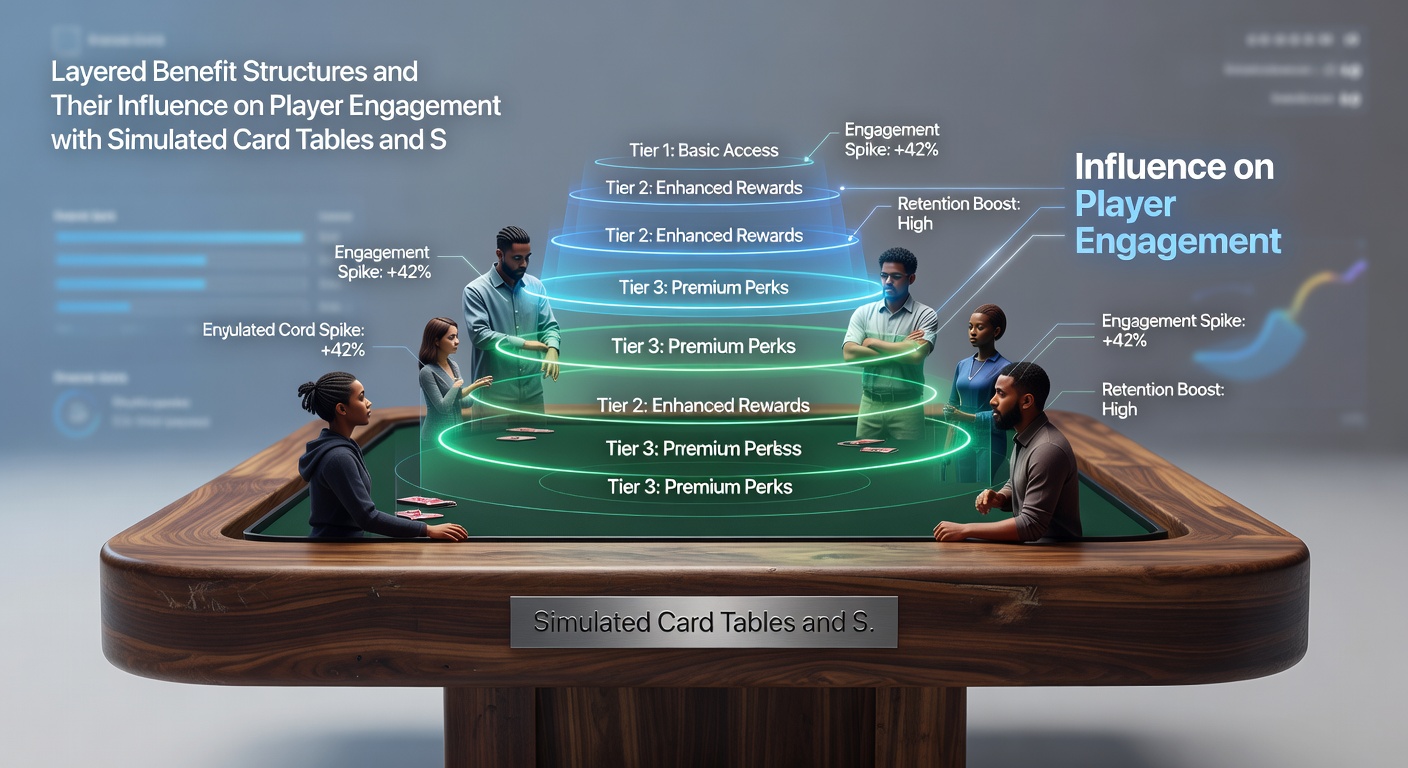
Spinning reels integrate layered benefits through progressive multipliers and bonus round access that scale with player status. Lower layers provide basic free spin allocations while advanced tiers introduce stacked wild features and multiplier ladders that carry over between sessions. Mobile networks facilitate seamless synchronization so accumulated progress remains available across devices and locations.
Industry figures compiled by the American Gaming Association in early 2026 highlighted that operators deploying multi-tier reel rewards experienced a 28 percent rise in daily active users within wireless segments. The same report noted that reel-based games accounted for 61 percent of all tier advancements recorded during the measurement period.
Wireless-Specific Dynamics and Retention Data
Wireless connectivity introduces variables such as variable signal strength and device battery constraints that layered systems must accommodate. Benefits often include offline progress tracking that converts accumulated points into rewards once reconnection occurs. This design mitigates drop-off risks associated with intermittent mobile use.
Observers note that players who engage both card tables and reels within the same layered framework demonstrate higher cross-game migration rates. A March 2026 dataset released by the Singapore Tourism Board’s gaming research division recorded a 19 percent uptick in multi-game participation among users enrolled in unified tier programs compared with those limited to single-game rewards.
Measurement Approaches and Industry Benchmarks
Operators evaluate layered structure performance through metrics including tier advancement velocity, reward redemption frequency, and session-to-session return rates. These indicators help refine threshold values so each layer remains attainable yet motivating within wireless play patterns.
Academic papers published by the University of Nevada, Reno’s gaming research center in late 2025 examined how wireless latency affects perceived reward timing. Results indicated that delays exceeding three seconds in benefit delivery correlated with a measurable dip in subsequent login frequency, prompting many platforms to prioritize edge computing solutions for faster updates.
Conclusion
Layered benefit structures continue to shape interaction patterns across simulated card tables and spinning reels in wireless settings through graduated incentives tied directly to measurable activity. Current data from regulatory bodies and research institutions across North America and Asia show consistent correlations between tier progression and sustained engagement metrics. As mobile infrastructure advances through 2026, these systems adapt by incorporating real-time synchronization features that preserve continuity regardless of network fluctuations.