24 Aug 2026
Incentive Pathways in Portable Gaming: Linking Reel and Card Formats Through Payment Systems and Loyalty Structures
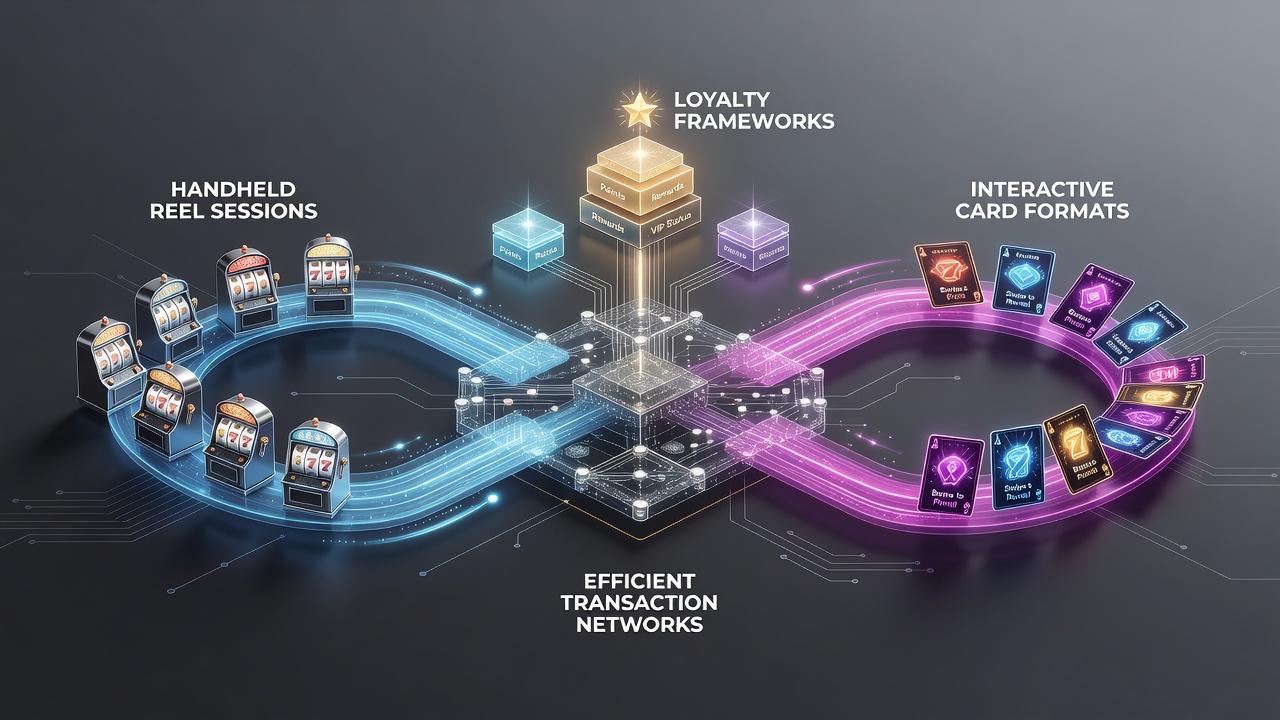
Portable gaming platforms integrate incentive structures that connect handheld reel sessions with interactive card formats through transaction networks and loyalty frameworks, and these connections rely on efficient payment processing to transfer rewards across game types. Data from August 2026 shows increased player movement between formats when loyalty points accumulate in unified accounts rather than isolated ones.
Handheld Reel Session Mechanics
Handheld reel sessions operate on mobile devices where spinning mechanics generate base rewards, and these rewards feed into broader loyalty systems when transaction networks process deposits and withdrawals in real time. Observers note that reel-based games often initiate player engagement because quick rounds allow frequent point accumulation, whereas card formats require different pacing yet share the same backend reward pools in many operator systems.
Interactive Card Format Integration
Interactive card formats deliver structured gameplay with decision-based outcomes, and these sessions link to reel incentives when loyalty frameworks recognize cumulative activity across both categories. Researchers discovered that players who alternate between formats maintain higher retention rates, since transaction networks handle seamless balance transfers without separate verification steps for each game type.
Transaction Network Efficiency
Transaction networks form the core infrastructure that moves funds and reward data between reel and card environments, while loyalty frameworks assign tiered benefits based on total spend rather than format-specific activity. According to figures from the American Gaming Association, cross-format transaction volume rose steadily through mid-2026 as operators streamlined payment gateways to reduce processing delays. Efficient networks support instant point crediting, which allows players to unlock card table bonuses directly from reel session earnings without manual intervention.
Loyalty Framework Design
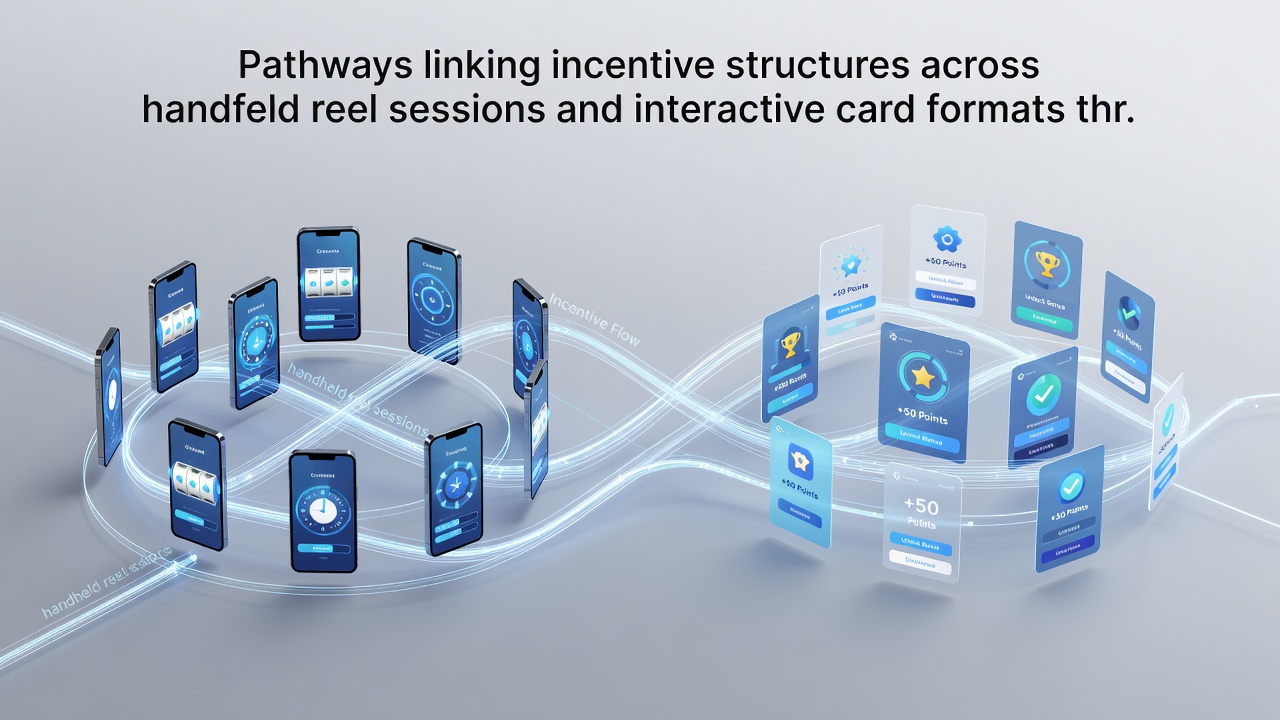
Loyalty frameworks track participation across handheld reels and interactive cards by assigning universal point values, and these systems adjust reward multipliers when transaction networks confirm consistent activity patterns. Studies from the University of Nevada, Las Vegas Gaming Innovation Lab indicate that unified frameworks increase average session length because players pursue tier advancements that apply to both game categories simultaneously. Payment speed directly influences point growth rates, since delayed settlements can interrupt the momentum that drives users toward higher loyalty levels.
Cross-Format Reward Pathways
Pathways emerge when operators configure loyalty rules to recognize equivalent value between reel spins and card decisions, yet the technical execution depends on transaction networks that synchronize data across mobile applications. Those who've examined operator reports find that August 2026 updates to several platforms introduced automated reward bridging, which routes points earned on reels straight into card format entry requirements without additional deposits. This linkage reduces friction and keeps players within the same ecosystem rather than seeking separate promotions elsewhere.
Verification and Settlement Roles
Verification protocols embedded in transaction networks accelerate access to tiered prizes by confirming player identity once across all formats, and settlement speeds then determine how quickly loyalty benefits compound. Data indicates that platforms with sub-second processing times record higher conversion from reel sessions to card play, since rewards appear immediately and encourage continued participation. Loyalty frameworks build on these speeds to offer progressive multipliers that scale with combined activity rather than isolated game totals.
Conclusion
Transaction networks and loyalty frameworks together create functional pathways that unite handheld reel sessions with interactive card formats in mobile environments, and ongoing system improvements in 2026 continue to refine these connections through faster payments and unified tracking. The structure supports player movement between game types while maintaining consistent reward progression based on overall engagement metrics.