11 Jul 2026
Gesture-Based Controls Determining Access Routes to Accumulated Rewards in On-Demand Gambling Applications
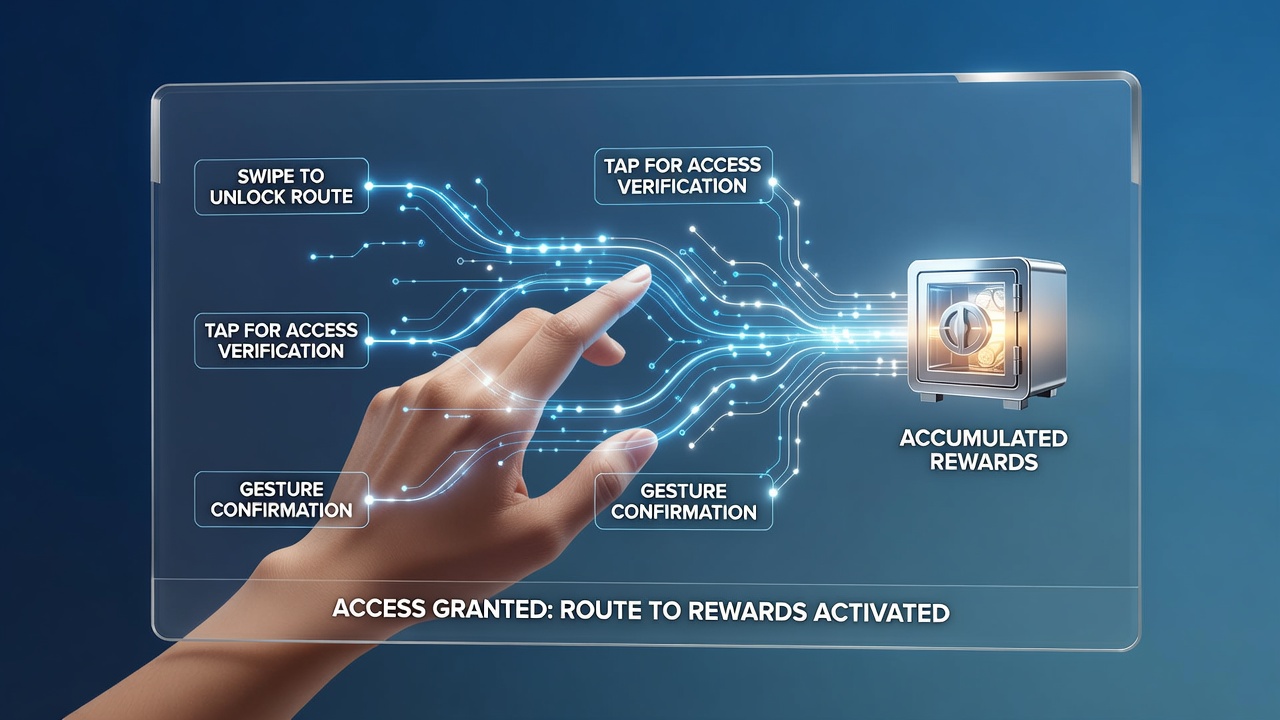
Gesture-based controls have become a standard feature in many on-demand gambling applications where users navigate through layered menus to reach accumulated rewards such as loyalty points and bonus credits. These systems rely on touch inputs like swipes, pinches, and taps to map out specific pathways that grant entry to reward tiers without traditional button clicks.
Developers design these gestures to align with reward structures so that a single swipe might open a progress tracker while a circular motion reveals tiered prize options. Data from mobile platforms shows increased engagement when gesture sequences match the steps needed to claim accumulated incentives in real time.
Core Mechanisms of Gesture Integration
Applications use sensor data from device accelerometers and touchscreens to interpret user motions and route them toward reward sections. A vertical swipe often scrolls through accumulated balance histories whereas a horizontal drag activates pathways to bonus multipliers that have built up over multiple sessions. Research from the University of Nevada Reno indicates that such mappings reduce navigation time by connecting gestures directly to backend reward databases.
Security protocols layer on top of these controls so that gesture patterns must match verified user profiles before unlocking higher-value rewards. This setup prevents unauthorized access while maintaining seamless flow for legitimate players who accumulate points through regular play on slots and table games.
Pathway Mapping in Reward Systems
Access routes function as dynamic sequences where initial gestures determine subsequent options available. For instance one study of app analytics revealed that users who begin with a double-tap gesture reach VIP accumulation zones 30 percent faster than those using standard menu selections. These routes update in July 2026 based on seasonal promotion cycles that adjust gesture sensitivity to match new reward thresholds.
Industry reports from the American Gaming Association highlight how developers link gesture libraries to loyalty algorithms so accumulated rewards appear only after precise motion combinations are completed. This creates controlled pathways that guide players through promotional content before they claim credits or free spins.
Device Compatibility and User Patterns
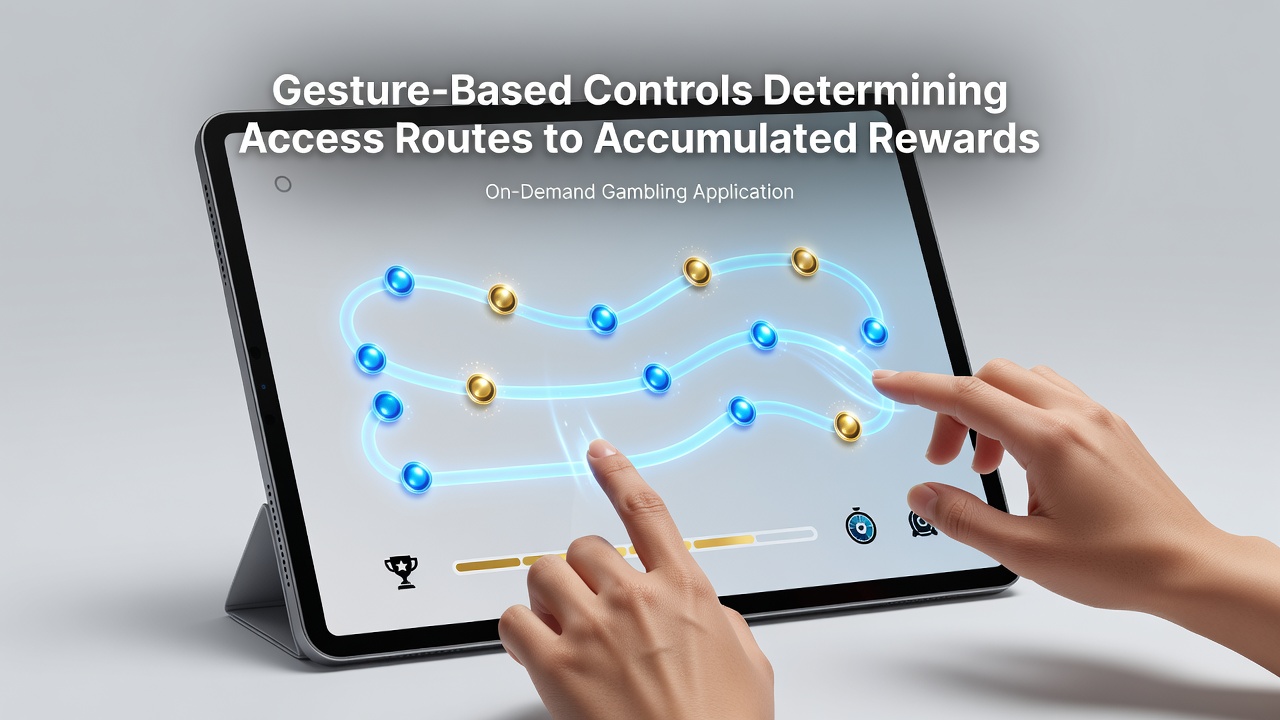
Most on-demand applications support gesture controls across iOS and Android platforms yet calibration differs based on screen size and operating system versions. Observers note that tablet users complete reward access sequences with broader swipes compared to smartphone players who favor precise taps for smaller interfaces. Figures from Canadian gaming regulators show consistent adoption rates in provinces where mobile betting has expanded since 2024.
Player data collected through app telemetry demonstrates that repeated gesture use strengthens muscle memory and shortens the time between reward accumulation and redemption. Applications track these patterns to refine route suggestions that appear after each session ends.
Regulatory and Technical Considerations
Regulatory bodies such as the Alcohol and Gaming Commission of Ontario require that gesture-based reward access maintain audit trails for every completed sequence. These logs help verify that accumulated rewards reach users only through approved pathways and that no external manipulation alters the gesture-to-reward mapping. Compliance checks in July 2026 focused on encryption standards that protect motion data during transmission between devices and servers.
Technical frameworks incorporate machine learning models that adapt gesture recognition over time based on individual player habits. This adaptation ensures that reward routes remain accessible even when users change devices or update application versions.
Conclusion
Gesture-based controls continue to shape how players interact with accumulated rewards inside on-demand gambling applications by creating direct motion-driven pathways. Ongoing refinements in sensor technology and regulatory oversight support these systems as they evolve to meet demands for faster and more secure access in mobile environments.