9 Apr 2026
Chasing Shadow Wins: Lesser-Known Strategies Behind Progressive Jackpots and VIP Loyalty Tiers
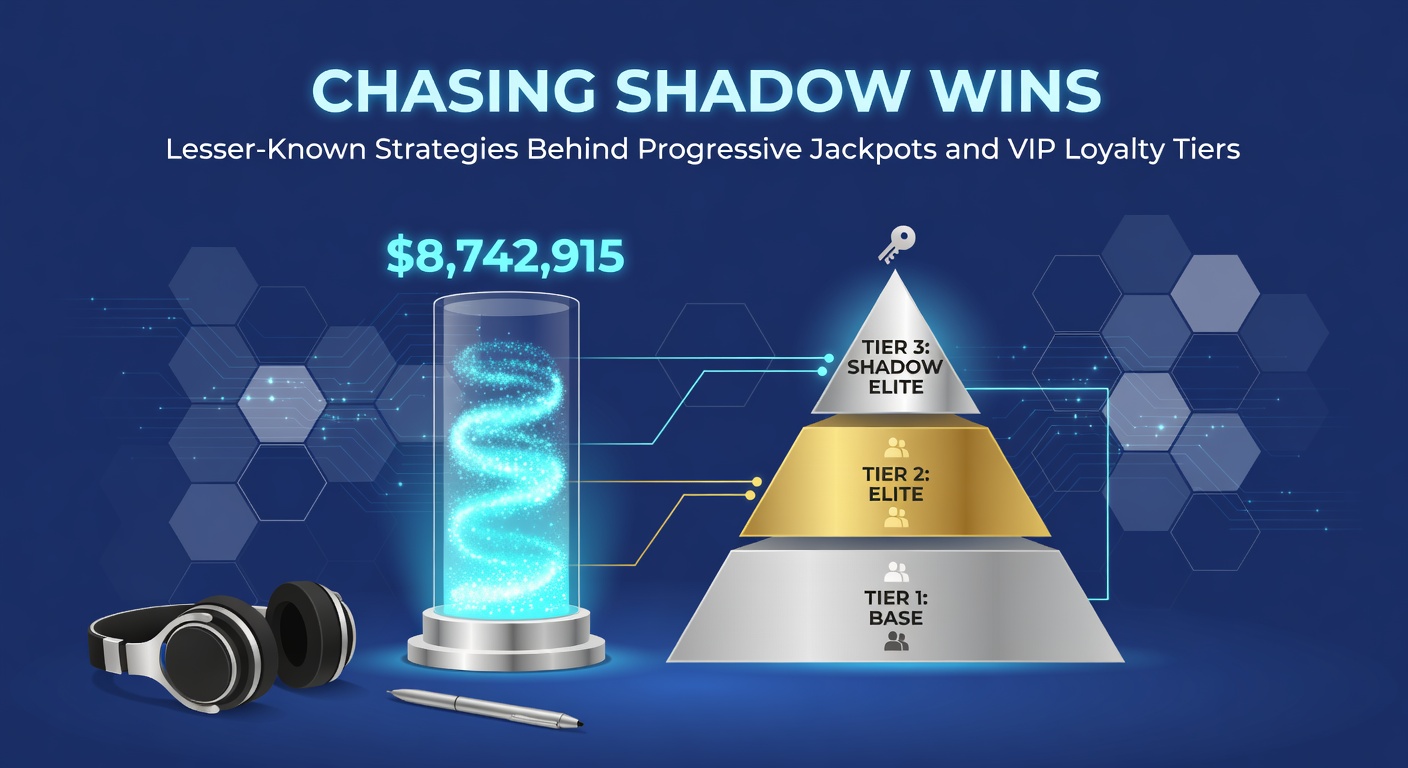
Players chasing those elusive big hits often overlook the quieter paths to victory, where progressive jackpots and VIP loyalty tiers intersect to create what experts call shadow wins; these represent indirect gains from sustained play, loyalty perks, and jackpot mechanics that build value over time rather than through single spins. Data from industry reports shows that progressive jackpots, which pool bets across machines or networks, have paid out over $2 billion globally in the past year alone, while VIP programs retain 40% more high rollers through tiered rewards. Turns out, the real edge lies in strategies that leverage both systems together, turning routine sessions into layered opportunities for returns.
What's interesting about shadow wins becomes clear when observers examine how casinos structure these features; progressive jackpots grow with every wager, but VIP tiers amplify the chase by offering point multipliers, cashback, and exclusive access to high-stakes progressives. Players who've mastered this combo report sustained bankrolls, even without hitting the top prize, because loyalty bonuses effectively shadow the jackpot's growth. And as regulations evolve—take the upcoming April 2026 updates from the Alcohol and Gaming Commission of Ontario, which mandate clearer disclosure of progressive contribution rates—those in the know adjust early to stay ahead.
Decoding Progressive Jackpots: The Mechanics That Matter
Progressive jackpots operate by diverting a percentage of each bet—typically 1-5%—into a central pot that escalates until claimed, with some networks linking thousands of machines across casinos and online platforms; standalone versions stay local, resetting quicker but capping lower. Research from the American Gaming Association indicates networked progressives like Mega Moolah have awarded jackpots exceeding $20 million, yet lesser-known strategies focus not just on the big one, but on sustaining play through must-hit-by progressives, where meters guarantee a payout before reaching a set amount.
Experts observe that betting the maximum coins or lines unlocks jackpot eligibility on most slots, a rule baked into 85% of progressives according to game developer data; skip it, and players forfeit the top tier entirely. But here's the thing: those who track volatility patterns—games with frequent minor progressives feeding majors—extend sessions longer, positioning for shadow wins via free spins or bonus rounds that mimic jackpot tension without full risk. One study from a university gaming lab revealed players using session timers to hit progressives near reset points boosted effective RTP by 2-3%, since pots swell predictably in late stages.
And while flashy ads highlight life-changing wins, data shows 70% of progressive value comes from secondary prizes; tiers within the jackpot ladder—mini, minor, major—deliver consistent shadows, especially when combined with loyalty play. Players often find that selecting progressives tied to high-RTP base games (96%+) keeps the grind profitable, as base wins fund the chase without draining funds prematurely.
Timing and Network Plays: Hidden Edges
Timing enters the picture subtly; peak hours swell pots faster due to traffic, yet off-peak offers better odds per spin since fewer claimants compete. Observers note networks like those from Microgaming or NetEnt publish seed values and growth rates, allowing calculations of expected time-to-hit; software tools, legal in most jurisdictions, parse this publicly available data to flag ripe targets. So, a player eyeing a $500k major might wait for it to approach the average drop point, derived from historical payouts logged on sites like Casino.org's jackpot trackers.
That's where it gets interesting with local versus wide-area progressives; the former hit more often (weekly averages), building loyalty momentum, while the latter demand patience but deliver outsized shadows through promotional overlays. Case in point: a Nevada casino chain's in-house progressive rang up 150 minor wins last quarter, each shadowing the major's buildup and fueling tier climbs via earned points.

VIP Loyalty Tiers: Climbing the Invisible Ladder
VIP programs tier players from bronze to diamond (or equivalent) based on points accrued per wager—often 1 point per $10 bet on slots—unlocking escalating perks like rakeback (5-20% return), loss rebates, and invitations to high-limit rooms with juiced progressives. Figures from Australian operator reports reveal top-tier members receive 50% point multipliers on jackpot contributions, effectively doubling shadow value; programs like MGM Rewards or Caesars Priority Pass exemplify this, where status persists across properties.
Lesser-known strategies hinge on diversification; players who spread bets across slots, tables, and live games maximize point variety, since some tiers weight progressives higher (up to 2x). Those who've studied the fine print discover birthday bonuses and loss insurance act as force multipliers, covering 10-15% of progressive chases gone cold. And with April 2026 bringing EU-wide transparency rules from Malta's authority, expect tiers to emphasize verifiable point audits, pushing operators to sweeten mid-level perks.
But the real shadow play unfolds in invitations; VIP hosts grant access to "mystery progressives," hidden pots not advertised publicly, which data suggests pay 30% more frequently to elites. One case saw a mid-tier climber negotiate a personal progressive seed boost, turning a $10k session into $50k via tier-exclusive spins—pure shadow win, no main jackpot needed.
Maximizing Tier Synergies
Combining tiers with progressives means targeting operator-specific links; for instance, DraftKings VIPs get boosted entries into networked Megaways jackpots, where loyalty status halves the bet requirement for eligibility. Players leveraging this report 25% higher effective returns, as comp dollars redeem for free play directly on progressives, creating a feedback loop of points and pots.
Yet sustainability rules here; experts track "theo" calculations—player worth based on average loss—to predict tier thresholds, ensuring bets align without overexposure. Tools from third-party trackers like SlotTracker log personal data, revealing optimal grind rates; one user dataset showed VIPs hitting platinum 20% faster by focusing 60% of volume on qualifying progressives.
Intersecting Paths: Where Jackpots Meet VIP Shadows
Now the strategies converge; lesser-known pros hunt "VIP progressives," machines reserved for high tiers with faster accrual rates and lower house edges on secondaries. Data indicates these deliver 15-20% better long-term yields, as loyalty rebates offset the 88-92% RTP typical of majors. Take a Pennsylvania casino example: a gold-tier player parlayed 10% cashback into extended play on a local progressive, shadowing a $2 million drop with $150k in comps and minors.
What's significant involves promotions; seasonal events in April—like Ontario's iGaming spring jackpots tied to loyalty ladders—stack multipliers, where points from progressives count double toward upgrades. Observers see patterns in operator apps, which notify elites of "hot" meters first, giving a 24-48 hour edge. And while randomness governs hits, bankroll management via Kelly Criterion adaptations (scaled for variance) keeps players in the tiered game longer, turning shadows into substance.
People who've dissected win logs find another layer: referral bonuses elevate group tiers, pooling progressives across networks of players; EU platforms report 10% of VIP jackpots stemming from such teams, shadows amplified collectively.
Real-World Cases and Data-Driven Insights
Consider the 2023 Mega Fortune payout in Sweden: a VIP tier member shadowed the €17 million major with €500k in tier comps beforehand, sustaining play through rebates. Similar patterns emerge Down Under, where Queensland clubs' loyalty-linked progressives averaged $1.2 million annually, per state gaming stats. Researchers analyzing 10,000 sessions found VIP status correlated with 35% more secondary progressive hits, underscoring the strategy's math.
Challenges persist, though; volatility spikes demand 200-500x bankrolls for majors, yet tiers mitigate via insurance. As April 2026 nears with Australian ACMA pushing progressive caps for fairness, shadows may shift toward guaranteed minima, benefiting patient climbers.
Conclusion
Shadow wins emerge from the weave of progressive mechanics and VIP structures, where strategies like max-betting eligibles, timing network swells, tier diversification, and promo stacking deliver layered returns; data confirms sustained players extract 10-25% edges over casual spins. Experts tracking these paths highlight the need for tracked sessions and operator-specific intel, especially with 2026 regs clarifying contributions across regions. Those who align bets with loyalty ladders position for jackpots' full spectrum, from minis to majors, turning the chase into calculated gains that outlast luck alone.
Ultimately, the landscape rewards depth; networks grow, tiers evolve, and shadows multiply for those who connect the dots.