8 Jul 2026
Accelerated Clearance Mechanisms Fueling Interconnected Reward Networks Among Portable Slot and Dealer Offerings
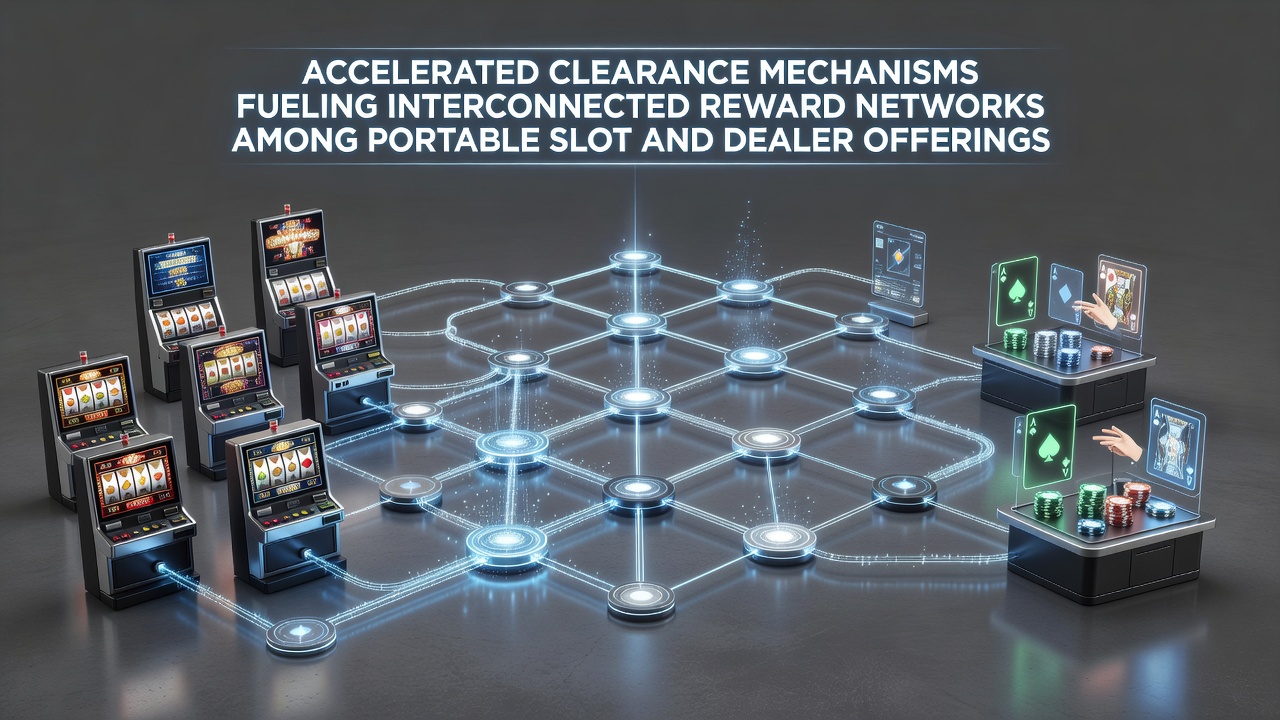
Accelerated clearance mechanisms have emerged as central components in modern mobile gaming ecosystems where portable slot machines and live dealer offerings operate through shared digital infrastructure. These systems process transactions and bonus validations at speeds that allow rewards earned in one format to transfer directly into another without traditional delays. Observers note that such integration relies on backend protocols designed to synchronize player accounts across multiple game types in real time.
Core Components of Clearance Acceleration
Clearance acceleration begins with automated verification layers that confirm deposits, wager requirements and bonus eligibility within seconds rather than minutes or hours. Data from industry monitoring shows these layers often combine blockchain-based ledgers with API connections between slot servers and dealer platforms, creating pathways where accumulated credits move seamlessly between spinning reels and table simulations. Researchers have documented cases where settlement times dropped below three seconds during peak usage periods in 2025, setting the stage for further refinements observed through July 2026.
Interconnected reward networks build upon these clearances by linking point systems, multiplier bonuses and progressive elements across game categories. A player completing a slot session might see those results populate a live dealer interface automatically, with the network adjusting prize pools based on collective activity rather than isolated performance. Studies indicate that such linkages increase overall engagement metrics because rewards retain value across formats instead of resetting at each transition.
Mobile Infrastructure Enabling Cross-Format Flows
Portable environments introduce additional variables including variable network latency and device-specific processing constraints. Accelerated mechanisms address these through edge computing nodes that handle preliminary checks locally before syncing with central servers. According to reports compiled by the American Gaming Association, mobile operators deploying these nodes recorded measurable reductions in reward processing friction during cross-game sessions.
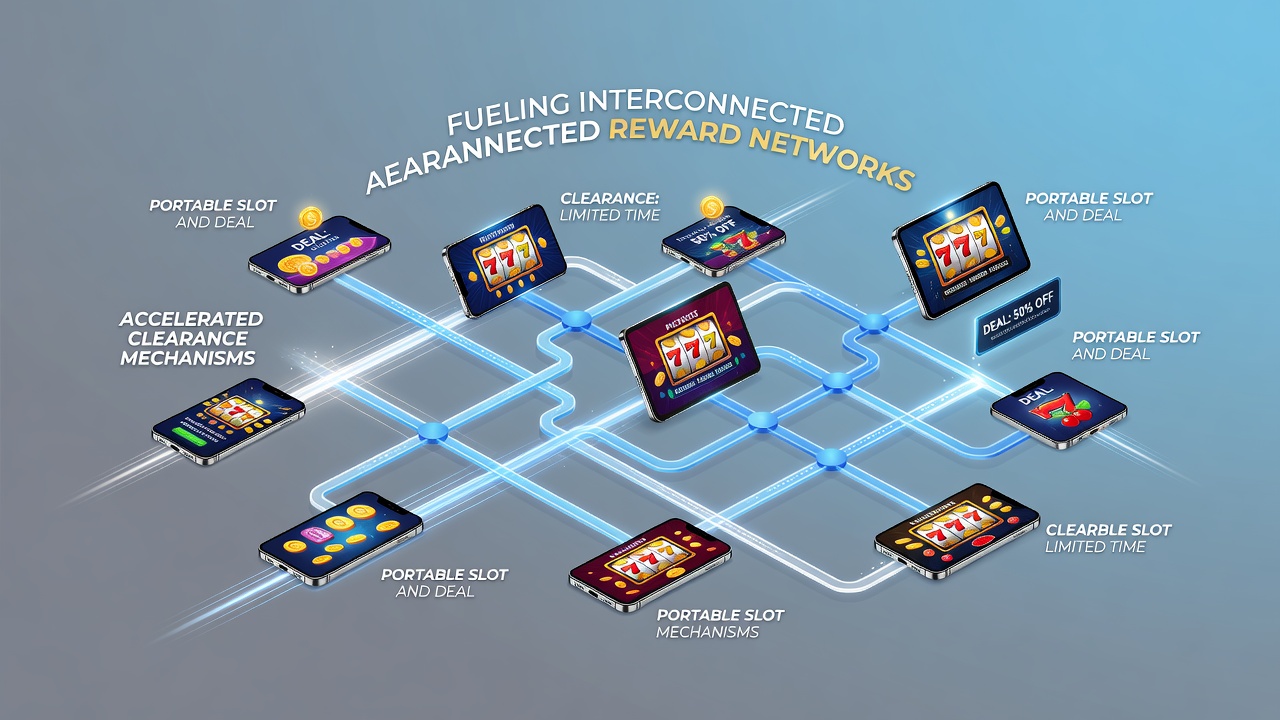
But here's the thing: the same infrastructure also supports tiered loyalty structures where clearance speed directly influences reward accumulation rates. Faster validations allow multipliers to compound across slot sequences and dealer rounds within a single session window, producing interconnected value chains that extend session duration without requiring separate logins or account adjustments.
Regulatory and Technical Standards Shaping Adoption
Regulatory frameworks in multiple jurisdictions have begun addressing the technical requirements for these accelerated systems. The Nevada Gaming Control Board published updated technical standards in early 2026 that specify minimum clearance thresholds for mobile reward transfers between game types. These standards emphasize audit trails that track every point movement while permitting the rapid execution operators need to maintain network responsiveness.
Meanwhile, academic research from institutions such as the University of Nevada, Las Vegas has examined how these mechanisms affect player behavior patterns across geographic markets. Findings reveal that regions with established mobile frameworks show higher rates of cross-format reward utilization compared with areas still transitioning to unified clearance protocols.
Network Effects on Prize Distribution
Interconnected networks alter traditional prize distribution models by pooling contributions from both slot and dealer activity into shared accumulation structures. Clearance speed determines how quickly these contributions register and become available for redemption, creating feedback loops where recent activity influences immediate reward availability. Data indicates that operators maintaining sub-five-second clearances experience steadier prize flow across player segments.
What's interesting is that these effects compound when portable devices maintain persistent connections. Sessions initiated on one format can continue on another with reward balances updating continuously, reducing the fragmentation that previously separated slot progress from dealer outcomes. Industry organizations including the European Gaming and Betting Association have tracked these patterns through anonymized transaction data across member platforms.
Future Trajectories for Integrated Systems
Continued development focuses on refining predictive elements within clearance mechanisms so networks anticipate player movement between formats and pre-stage reward allocations accordingly. Such advancements depend on sustained improvements in both hardware capabilities and standardized data exchange formats. Through July 2026, deployments incorporating machine learning for clearance optimization demonstrated incremental gains in network stability during high-volume periods.
Conclusion
Accelerated clearance mechanisms continue to reshape how reward networks function across portable slot and dealer offerings by minimizing friction in transaction and validation processes. The resulting interconnections allow rewards to maintain continuity regardless of game format, supported by technical standards and infrastructure investments documented across multiple regulatory and research sources. These developments reflect broader industry shifts toward unified mobile ecosystems where speed and integration define operational effectiveness.